




Manufacturer Spec
Rod Weight
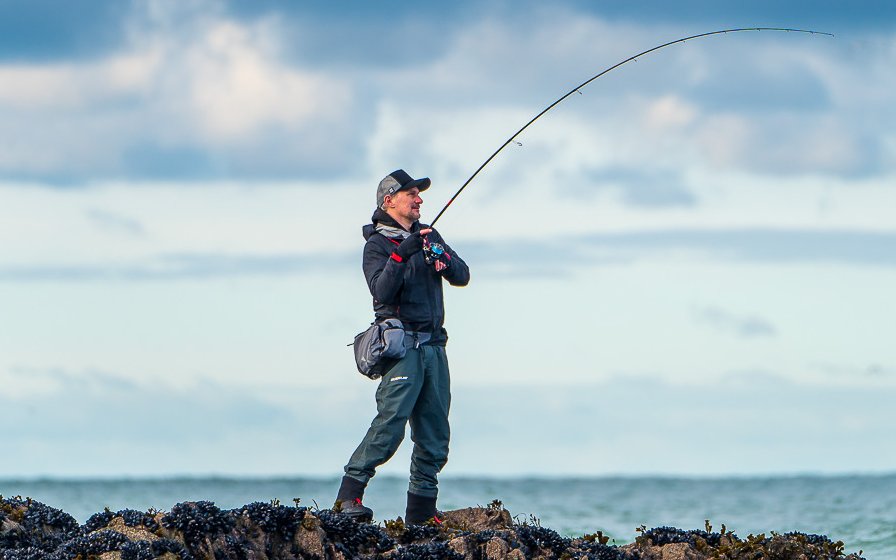
Rod weight is one of those numbers that matters a lot more after a long session than it looks like it should on paper. Modern carbon lure rods sit in roughly the 100-150g range for most bass and predator work, and the difference between a 110g rod and a 145g rod doesn't sound like much until you've spent five hours holding one out in front of you.
Lighter is generally better, but with caveats. A very light rod can feel unbalanced, especially with a heavier reel — the tip wants to drop and your wrist's doing the work of holding it level. The number you really want isn't just rod weight in isolation but rod weight balanced against the reel you're going to fish with. A well-balanced 130g rod can feel lighter in use than an unbalanced 110g rod.
Build density tells you something the rod weight number alone doesn't. Two rods at the same weight, same length, same casting band can feel completely different in the hand because one is built with more carbon at higher modulus and the other has more material lower down the blank. Heavier isn't necessarily worse; it can mean a more robust build, more feel through the blank, more confidence under load. Apia is one of the brands that's never chased lightness for its own sake, and the rods are all the better for it.
Worth treating the printed weight as one input rather than the deciding factor. The rod's balance, intended use, and how it pairs with your reel matter at least as much.
If you're choosing between two rods on weight alone, drop us a line — we'll walk through what actually changes in use.
Measured in g