




Bass
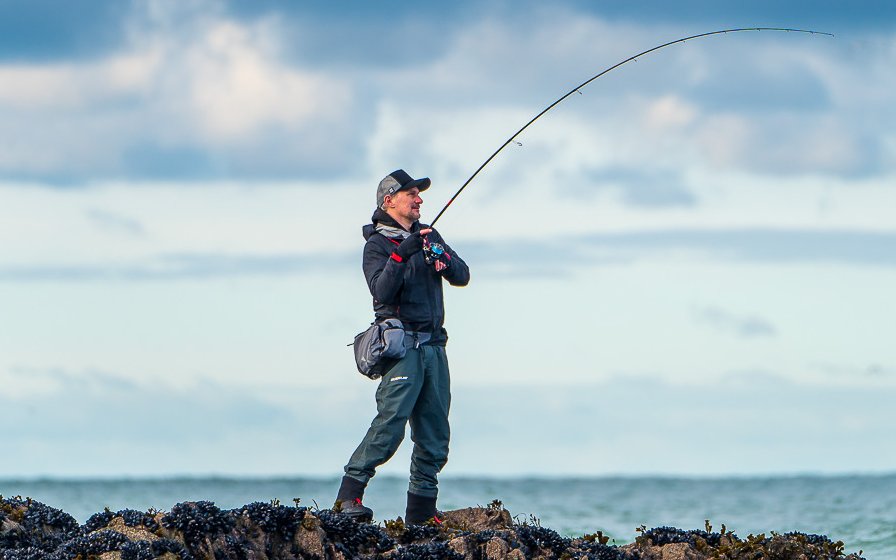
Bass on lures is the fishing we know best. The southwest coast is where most of it happens for us, and the shop's been here long enough to have kitted out a fair few generations of bass anglers — from the first 7 foot rod and a handful of soft plastics, all the way up to the people who've fished the same mark every June for twenty years.
Rod ranges for Bass

Frequently asked questions
What rod casting weight do I need for bass fishing in Cornwall?
For most south-coast Cornish bass fishing — estuary, sheltered coast, the kind of marks where you're working soft plastics and small hard-baits — a rod rated 7-28g covers the bulk of what you'll fish. If you're more on the open Atlantic side, throwing bigger lures into more wind, you'd lean toward a 10-40g blank or heavier. The honest answer is the sweet spot is usually the middle of the rod's casting range, not the upper limit. Drop us a line if you want help matching a rod to your specific marks.
What's the best PE braid rating for UK bass fishing?
PE 0.8 to 1.2 is the standard band that covers most UK bass fishing — south-coast, estuary, sheltered marks, fishing the lure weights most anglers fish. PE 0.6 starts to get into finesse territory; PE 1.5 and up is more for heavier shore work or fishing big-water Atlantic marks where you need the strength to extract a fish from rough ground. Most anglers settle on PE 1.0 as a fair compromise — strong enough for surprise fish, fine enough for most lure presentations.
How long should a bass rod be?
For shore fishing the working range is 7'6" to 9'6". 8'6" is probably the most popular length we sell — long enough to throw a respectable cast, short enough to fish comfortably for hours. 9' or 9'6" makes sense if you're chasing distance on big surf beaches or weed-fringed marks where you need to clear a snaggy zone. From a boat, 7' or shorter is usually the answer because casting distance is rarely the priority. Length is one input among several — drop us a line if you want help picking for your specific fishing.