




Wrasse
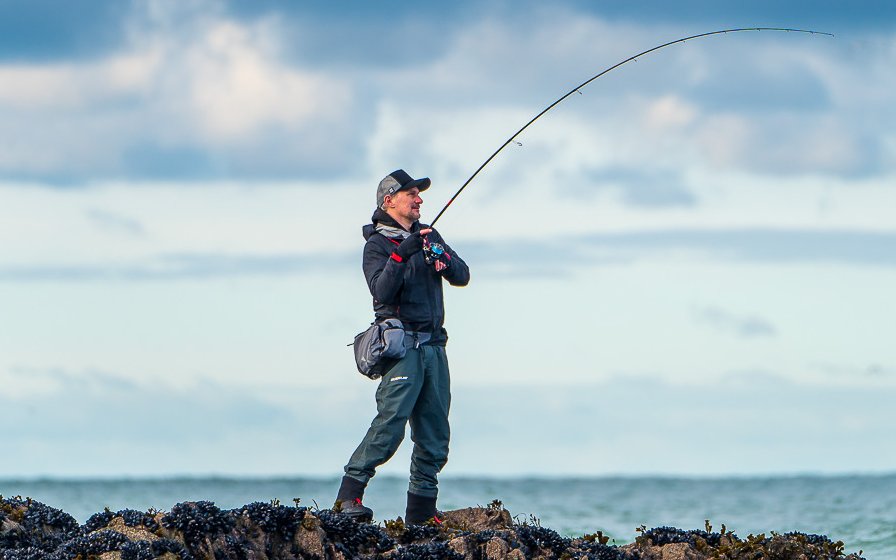
Wrasse on lures is one of the great rewards of fishing rough rocky ground. Big ballan wrasse on a soft plastic, dragged out from under kelp and over boulders, tests both the angler and the gear in a way that more open-water fishing doesn't. It's grown massively as a discipline in the UK over the last decade.
Rod ranges for Wrasse


Frequently asked questions
What rod do I need for UK wrasse fishing?
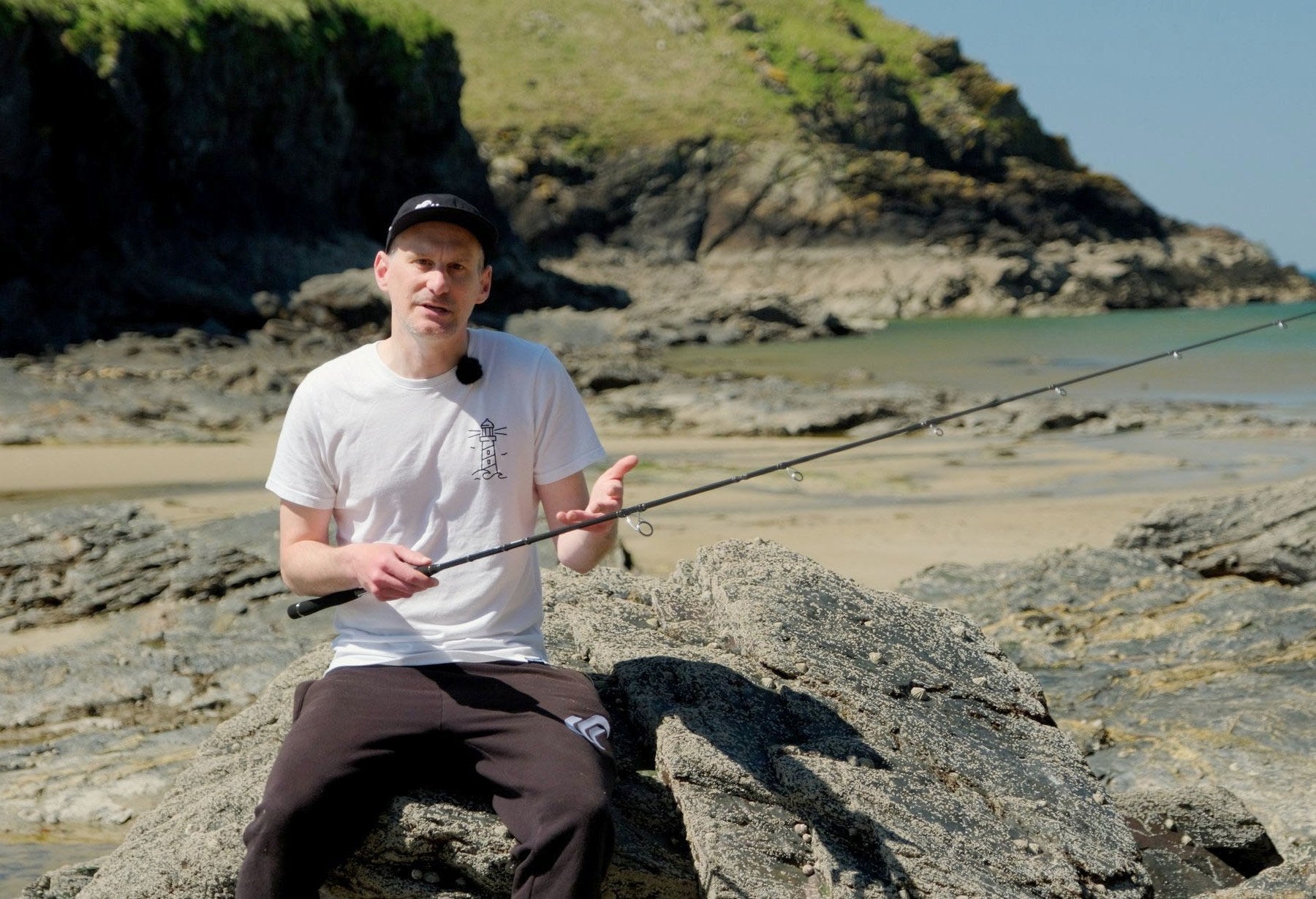
Wrasse fishing — what the Japanese would call HRF, Heavy Rock Fishing — needs a rod with serious lifting power and a stiff tip for bottom contact over rough ground. Casting weights of 14-40g, lengths of 8' to 9'6", and a build that can pull a fish away from rocky cover before it gets snagged. The category overlaps with heavy bass rods at the lighter end and with light boat rods at the heavier end. Stiff tubular tip, robust butt, often spigot-jointed. Drop us a line for specific recommendations.
What lures and rigs work for wrasse?
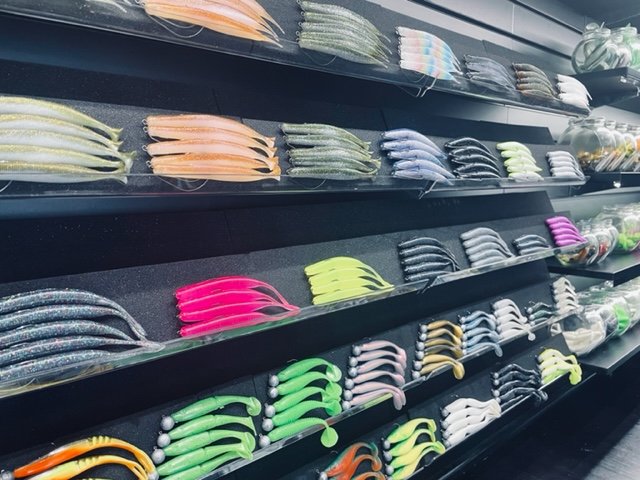
Texas-rigged soft plastics (worms, creature baits) with a bullet weight on a wide-gape hook — that's the workhorse setup. Wrasse will take crab-imitating creature baits, bigger paddle-tails, and Senko-type stick baits. Drop-shot rigs work too. Hook size around 2/0 to 4/0 depending on lure size. Weights of 8-25g get most jobs done, leaning heavier in current or wind. Our Pick'n Mix range covers the soft plastics at single-unit pricing if you want to build a colour selection without committing to full packs.
How do I avoid getting snagged when wrasse fishing?
Some snagging is unavoidable — the ground wrasse live on is exactly the ground that snags lures. Texas rigs with a bullet weight ahead of a weedless or weighted hook minimise hook-ups on rocks. Working the lure with shorter hops rather than long sweeps keeps it more controlled. Heavier line (PE 1.5-2.0 with a 30lb fluoro leader) lets you horse the rig out of rocks more often than you'd think. And accepting that you'll lose some gear is part of the game — don't fish wrasse marks with lures you'd hate to lose.