




LRF & Light Shore
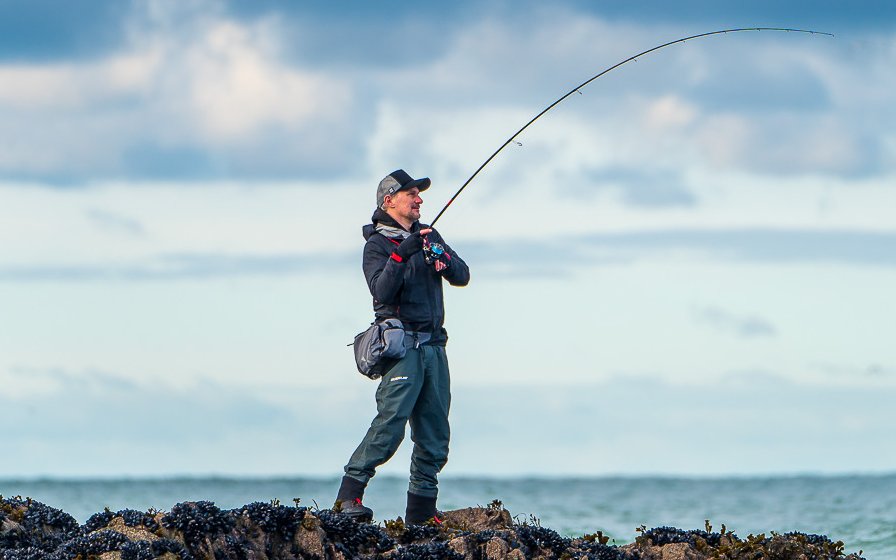
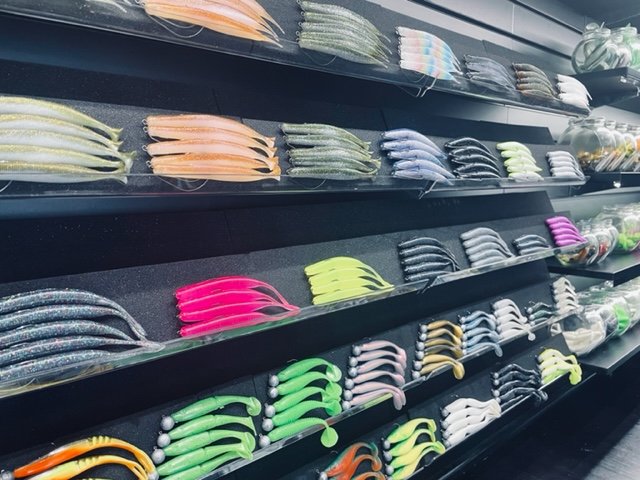
LRF — Light Rock Fishing — is the discipline of going small. Tiny lures, ultra-light rods, fine braid, and the smaller species that other forms of fishing tend to ignore: scorpionfish, wrasse, pollack, blennies, gobies, mackerel, the occasional surprise. Done well, it's some of the most engaging fishing you can do from a UK coastline.
Rod ranges for LRF & Light Shore
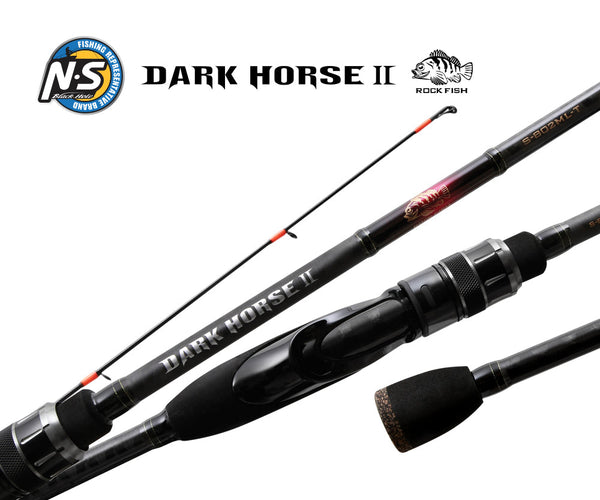
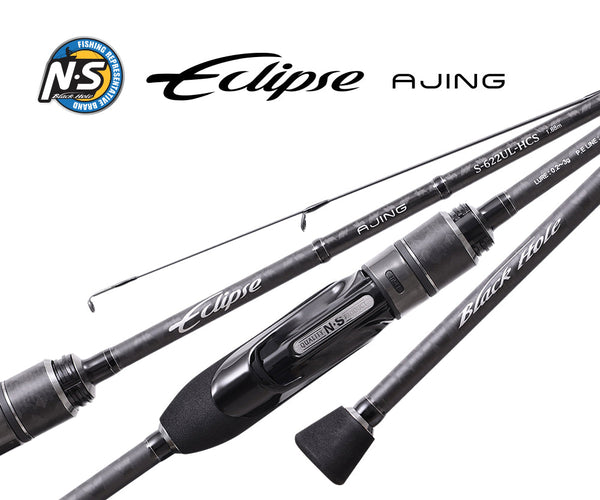
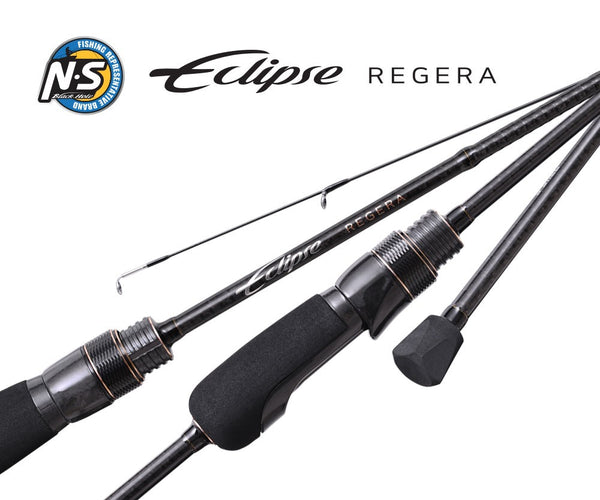
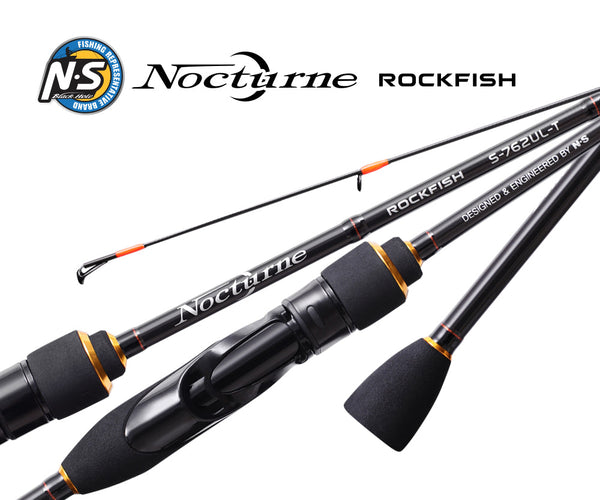
Frequently asked questions
What does LRF stand for and what fish are you targeting?
LRF is Light Rock Fishing — Japanese-origin technique using sub-gram jigheads and small soft plastics on very light tackle. The targets in UK waters are mini-species: wrasse, blennies, gobies, mullet, scad, mackerel, small pollack, sometimes flatfish. It's about catching numbers and variety rather than size. The fishing is technical and feel-based — small hooks, fine line, light rods. Anyone wanting to scratch the itch when the bigger lure fishing isn't producing, or who just enjoys close-range finesse work, finds LRF a rewarding sideline or main pursuit.
What rod do I need for LRF?
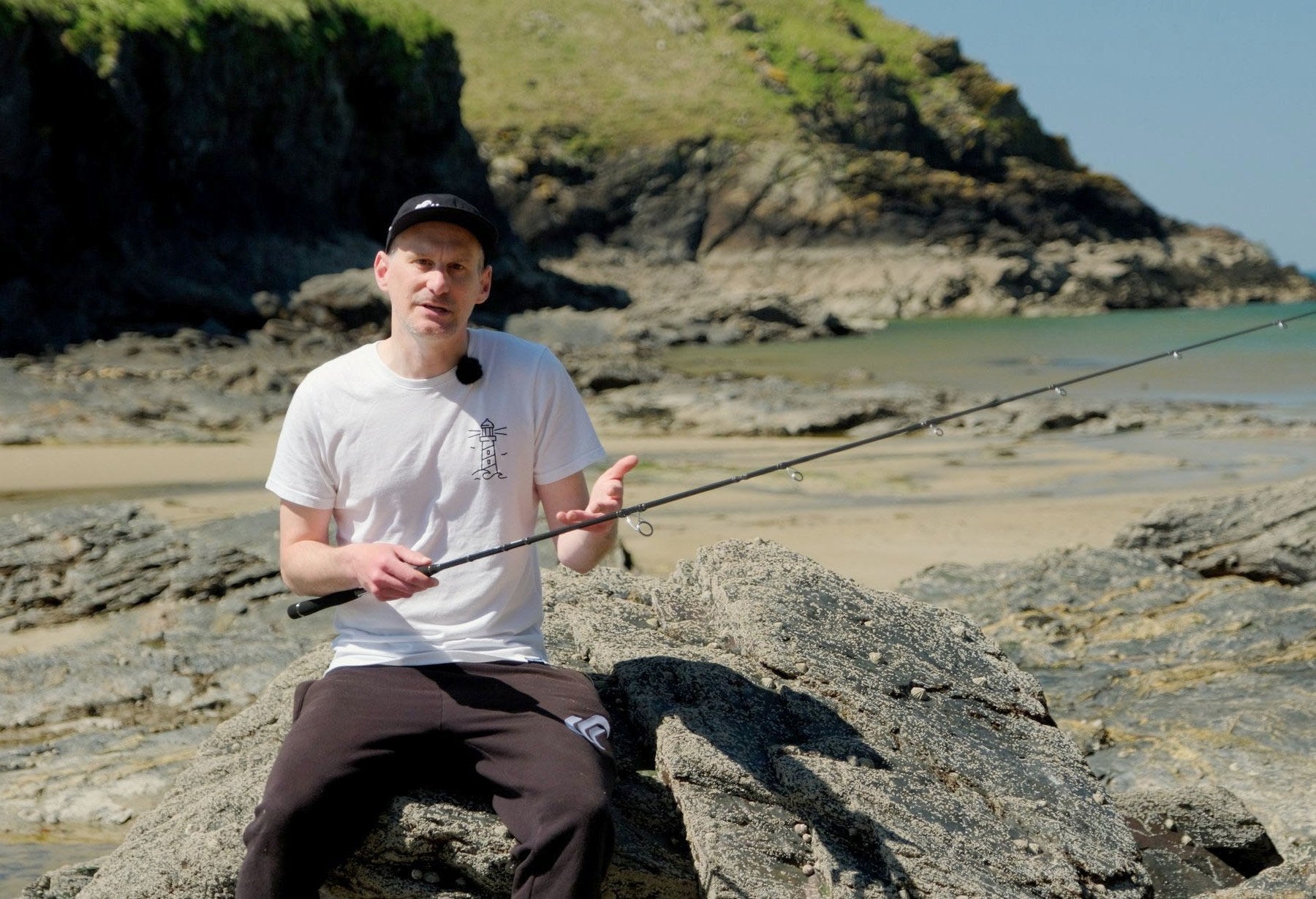
Most LRF rods sit in the 6'6" to 7'6" range, casting weights from 0.5g up to about 7g, and rated for PE 0.2 to 0.6 line. They're light, soft-tipped (often solid-tipped), and built to detect very small bites. From a brand point of view the JDM market dominates — Tailwalk, Zenaq, Apia, Graphiteleader all make excellent LRF rods at various price points. The choice comes down to how technical your fishing gets and what budget you're working to. Drop us a line if you want to talk through the LRF rods we currently stock.
What's the best line for LRF?
PE 0.3 braid (about 6lb breaking strain in equivalent terms) is the workhorse choice. With a fluorocarbon leader of 4-6lb, that setup handles the vast majority of LRF fishing. If you're chasing the very lightest jigheads and need the sensitivity that comes with the thinnest line, you can drop to PE 0.2. Going heavier than PE 0.4 for LRF starts to defeat the purpose — the fishing is built around feel and finesse, and thicker line works against both. Gosen do excellent LRF-specific braids; we stock them for a reason.