




Heavy Shore
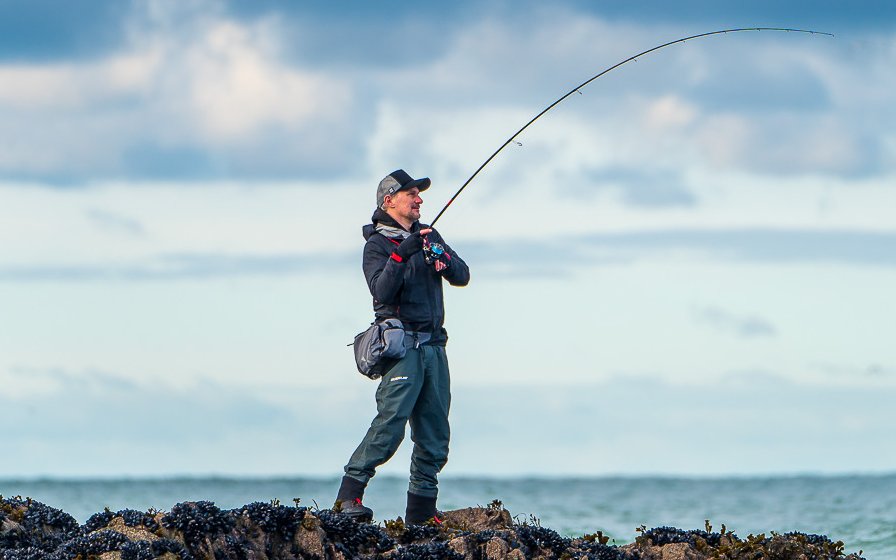
Heavy shore fishing is what happens when the conditions, the marks, or the fish you're after don't suit a standard 8'6" bass setup. Bigger lures, longer rods, more line capacity. Open coast in autumn. Rough ground where you need to bully a fish away from rocks. Or simply the kind of fishing where casting distance matters more than finesse.
Rod ranges for Heavy Shore


Frequently asked questions
What rod for heavy shore lure fishing?
9'6" to 10'6" rods rated to 40-100g cover serious heavy-shore work — big surf beaches, exposed Atlantic marks, places where you need real distance and lifting power. The blanks are stiffer, the butts are heavier, the components are robust. Length matters because you're often casting over weed, rocks, or crashing surf and need to clear the obstacles. JDM heavy-shore rods (Tailwalk, Apia, Zenaq) are the premium choices; serious budget options exist too.
What braid for heavy shore?
PE 1.5 to PE 2.5 — strong enough to handle the bigger fish that heavy-shore marks produce, and thick enough to take real abrasion against rocks, weed, and the kind of structure these marks involve. With a fluorocarbon leader of 30-50lb. The braid choice matters more for abrasion than for casting distance — fine PE will cast further but won't survive a hard fight on a snaggy mark.
Why use a long rod for heavy shore?
Three reasons. First, casting distance — extra length translates directly into where you can put a lure, and on big surf beaches you sometimes need to be 60m+ out to reach the fish. Second, line management — keeping the line above the surf, weed, or rocks during a retrieve gets harder with a shorter rod. Third, lifting power — when you've got a fish on and you need to extract it from rough ground, the leverage of a longer rod helps. Trade-off is fatigue: a 10' rod is heavy for a long session, and balance becomes a real consideration.