




Jigging
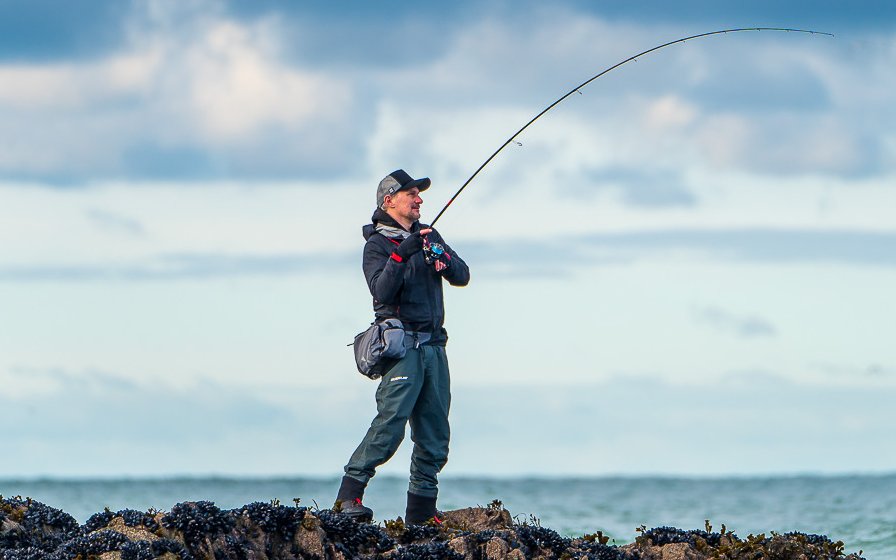
Jigging is the discipline of working a metal lure vertically — dropping to depth, lifting and falling, working the jig in a way that triggers a predatory response. It covers everything from light inshore work over reefs to deep offshore wreck fishing for serious sport species.
Rod ranges for Jigging

Frequently asked questions
What rod do I need for UK jigging?
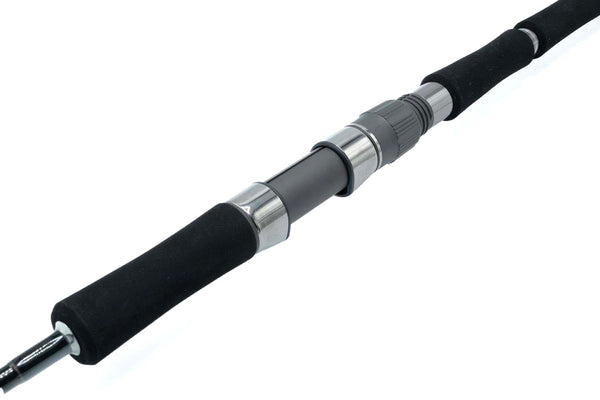
Depends on the depth and the species. For light shore-based or boat jigging targeting bass, mackerel, pollack on metal jigs of 20-60g, an 8'-9' rod rated to 60g or so does the job. For proper offshore vertical jigging — deeper water, bigger fish, heavier jigs (100-300g+) — you're into specialist boat rods, typically 5'6"-6' with overhead or spinning reels. The discipline is wide and the rod choice depends entirely on the depth, jig weight, and target species you're working.
What's the difference between slow pitch and speed jigging?
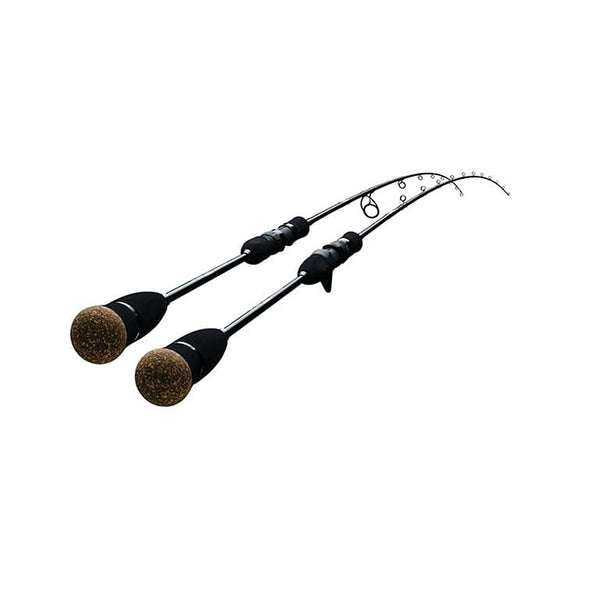
Slow pitch jigging uses a specifically designed jig (usually flat-sided, fluttering on the drop) worked with a slow, lifting rod-tip motion and a slow reel rotation — the bite typically comes on the drop. The rods are short, light, and have a particular soft-tipped, fast-recovering action. Speed jigging is the older style — heavier jigs, faster vertical retrieves, more aggressive rod action. They use different gear and target different fish behaviour. Most modern UK boat jigging is moving toward slow pitch for the species we have.
What braid for jigging?
PE 1.5 to PE 3.0 covers most UK jigging. Lighter end (PE 1.5-2.0) for shore-based and lighter boat jigging; heavier end (PE 2.5-3.0) for deeper offshore work where you need both the strength and the hooking power that thicker braid delivers at depth. Always with a fluorocarbon leader — 30-50lb depending on the fish. Gosen produce specific PE-rated braids for jigging that are worth the spend for serious work.