






Guide Frame Type
Fuji K Series: Double-Leg
Fuji K Double-Leg guides are the heavier, more robust version of the K-frame design — same anti-tangle K-frame geometry, but with two legs holding the ring insert to the blank rather than one. They're the choice when the load through the guide is high and the weight saving of single-leg isn't worth the trade-off in robustness.
What double-leg frames give you is structural confidence. Two legs distribute the lifting force from a fish or the heavy casting load of a big lure across more material, which means the frame takes punishment without bending or breaking. They're slightly heavier than single-leg equivalents, but on the rods where they're specced — heavy shore, jigging, big-water bass, anything fishing heavier line and heavier lures — that weight isn't where the rod's weight problem lives. The trade is worth making.
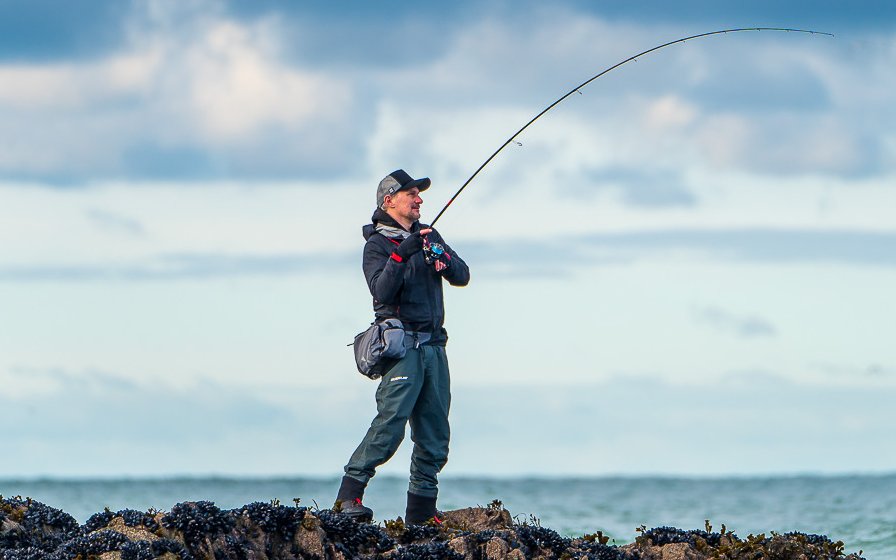
You'll see K Double-Leg frames specified throughout the working sections of heavier rods, and through the butt sections of lighter rods that run a mixed setup (single-legs at the tip, double-legs through the butt). On a properly built shore rod meant for years of hard fishing — the kind of rod that's going to take real saltwater impact and the kind of bend you put into it on a properly hooked fish — double-leg frames are what you want load-bearing.
The other place double-leg frames matter is robustness in handling. The same impact that might bend a single-leg frame is much less likely to do anything to a double-leg, which means rods specced with double-leg guides through the working sections take rough transport better. For anglers fishing rocky coast or marks where the rod is going to bash against terrain, that's a real advantage.
Any questions about K Double-Leg setups on a specific rod, drop us a line.